704.608.9477
Start a Conversation
Command Safety Training helps organizations strengthen safety culture, reduce risk, and prepare teams to respond with confidence through practical training shaped by fire service command, emergency response, construction safety leadership, and real-world operational experience. This is safety training built for the field, the jobsite, the workplace, and the moments where leadership matters most.
Most safety programs are built around compliance. Command Safety Training goes further, helping teams understand risk, make better decisions under pressure, and create safer job sites, workplaces, and organizations.
The goal is not to overwhelm teams with theory. The goal is to make safety practical, memorable, and usable in the environments where people are actually working — often around moving equipment, changing conditions, tight timelines, and real operational pressure.
In high-risk environments, people need more than a policy. They need preparation, leadership, communication, and the ability to make sound decisions when conditions change.
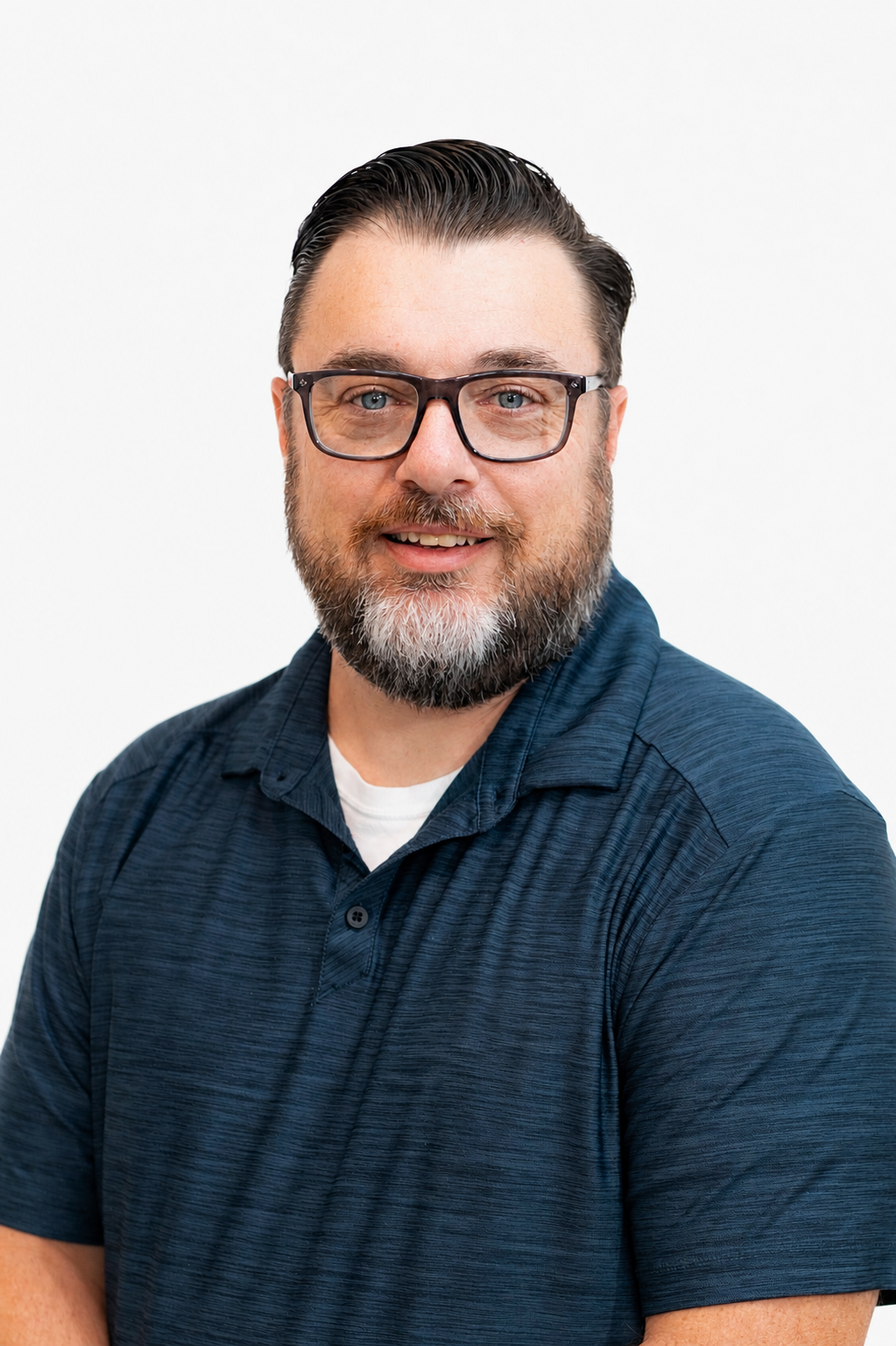
Tim Bell is a Certified Safety Professional with 25 years of fire service experience, including leadership roles as Captain and Shift Safety Officer, along with private-sector experience as a Director of Safety and Risk Management in construction and site operations.
His work connects emergency response, operational safety, risk management, and leadership, giving organizations a practical, field-tested perspective on what keeps people safe.
That combination matters. Tim understands how incidents unfold, how crews respond under pressure, how supervisors influence behavior, and how safety programs must function in the real world — not just on paper.
Real safety is built before the incident — through preparation, leadership, and better decisions in the field.
Command Safety Training supports organizations that need practical, credible, and field-informed safety guidance — not generic training that checks a box and disappears. Services can be tailored for leadership teams, frontline supervisors, field crews, operational staff, and organizations that want to strengthen both compliance and culture.
Training that helps supervisors, managers, and frontline leaders recognize risk, communicate clearly, set expectations, and lead safer teams. Strong safety culture starts with leaders who know how to model, reinforce, and correct behavior in real time.
Practical instruction for construction, industrial, and operational teams where safety decisions happen in real time. Training can address hazard recognition, situational awareness, jobsite communication, and the behaviors that prevent incidents before they occur.
Planning and training that helps teams respond with confidence when an emergency, incident, or unexpected condition occurs. Command Safety brings emergency response experience into workplace planning so people understand what to do before the moment arrives.
Support for identifying operational hazards, strengthening controls, and reducing exposure across worksites and teams. This includes a practical look at where risk shows up, how controls are communicated, and where processes may need to be reinforced.
Guidance that connects emergency response experience with practical plans your people can understand and use. The focus is on clarity, roles, communication, escalation, and helping teams respond with confidence instead of confusion.
Helping organizations move beyond check-the-box compliance and build habits, expectations, and leadership behaviors that protect people. Culture is shaped by what leaders tolerate, what teams practice, and how consistently safety expectations are reinforced.
Command Safety Training is designed for teams operating in environments where preparation, awareness, and leadership directly affect outcomes. These are workplaces where small decisions can carry significant consequences, and where safety has to be understood, practiced, and reinforced every day.
Compliance matters. But the strongest safety programs also build judgment, leadership, communication, and readiness. Command Safety Training helps bridge the gap between written policies and what people actually need to do when risk is present.
That means helping organizations move from “we have a policy” to “our people know what to do, why it matters, and how to act when conditions change.”
The goal is not only to respond well when something goes wrong. The goal is to recognize conditions earlier, strengthen decision-making, and prevent incidents before they happen.
Command Safety Training starts with the real work environment, then builds training and support around the risks, people, and decisions that shape safety outcomes. The process is intentionally practical: understand the operation, identify where risk lives, train for realistic scenarios, and reinforce the leadership behaviors that make safety sustainable.
Identify the operational exposures, behaviors, communication gaps, and changing conditions that matter most for your team. Effective safety support starts by understanding the work as it actually happens.
Deliver practical instruction that connects policy to field decisions, leadership, and response. The goal is training people can remember, apply, and carry back into their daily work.
Help leaders reinforce expectations, improve communication, and build safer habits over time. Sustainable safety performance comes from consistent leadership, not one-time training events.
Tim brings a combination of emergency command experience and private-sector safety leadership that directly impacts how organizations operate and manage risk. His perspective is especially valuable for organizations that need someone who understands both the human side of safety and the operational realities of high-risk work.
Led teams in high-pressure emergency environments where decision-making, communication, preparation, and safety directly affected outcomes. This background shapes a practical approach to leadership, accountability, and response.
Director-level experience managing safety and risk across active job sites, crews, and operational environments. Tim understands the pace, pressure, and complexity of keeping people safe while work continues to move.
Understands how safety connects to liability, operational continuity, leadership credibility, and long-term organizational performance. Strong safety programs protect people, strengthen operations, and reduce exposure.
Tell us a little about your organization, your team, and the safety support you need. Command Safety Training will follow up to start the conversation.